
glass
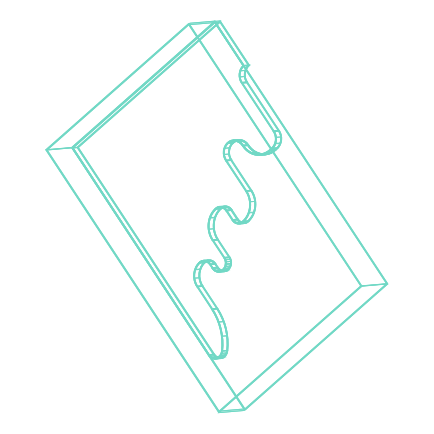
It is important to note that this type of machining should be done before hardening the product. Unlike drilling, cut-outs require more sophisticated techniques and mechanisms. Our state-of-the-art equipment is suitable for all levels of cut-out complexity, size and material. Our craftsmen will fulfil all your wishes with millimetre precision.
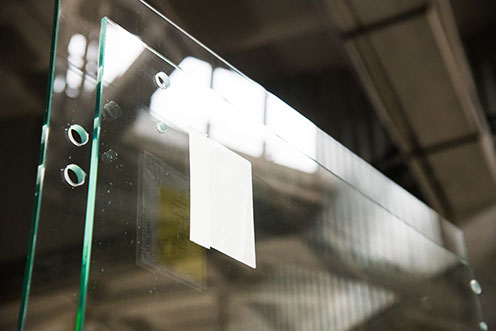
The cost of the service depends directly on the following factors:
- the thickness of the glass;
- type of glass (glass, triplex or mirror);
- dimensions of the part;
- diameter of holes and dimensions of cutouts;
- necessity of their subsequent additional processing (polishing, grinding).
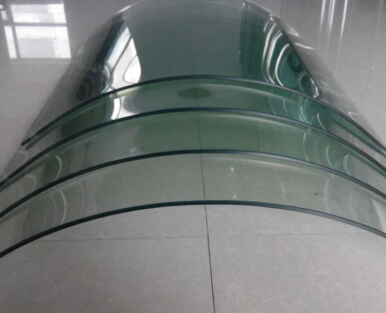
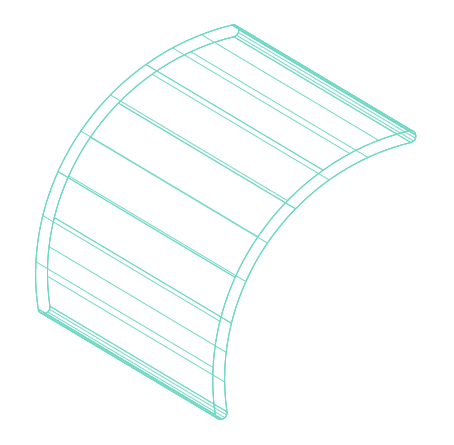
One of the ways of heat treatment of glass is milling. The product gets a curved shape that is resistant to temperature and impact. The beautiful shapes, graceful curves produced in this way are used in decoration, curved furniture, reflectors, stained glass and facades.
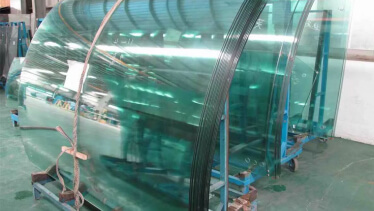
With us you can order milled glass of any radius from various types of glass.
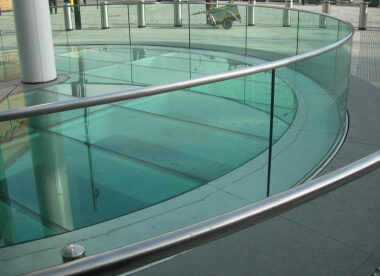
Application areas:
- partitions in flat, office, shopping centre;
- storefronts;
- visors in entrance groups;
- sliding and swinging doors;
- shelves for cupboards, slides, walls;
- doors in subways;
- plates for facade cladding;
- tops, screens for radiators;
- kitchen aprons.
You can buy tempered glass for independent manufacture of any of the above products or order our craftsmen to manufacture these structures. listed products or order our craftsmen to manufacture these constructions.
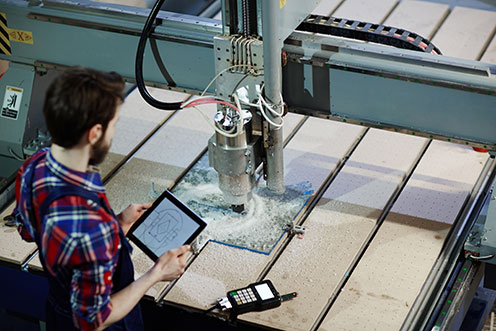
At the initial stage of product creation it is important to cut out the shape given by the customer. Thanks to the latest professional technology, our company makes high-quality and accurate shapes of various types and complexity, and allows you to create non-standard configurations of glass and mirrors, and implement various original design solutions. Strictly maintained dimensions, high-quality cutting with modern equipment and specialised tools provides a guarantee of quality of the finished product. We work with all types of glass from 4 to 19 mm thick.
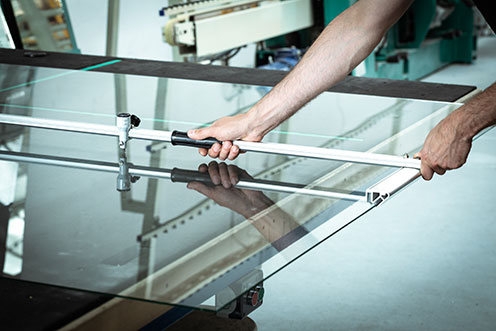
With us you can order:
- cutting (straight and shaped)
- drilling (creating holes)
- making of parts (for mirrors, doors, panels, furniture fronts, etc.).
We individually choose the cutting technology, taking into account the properties of the material and its quality. Glass sheets of various shapes can be found in the creation of mosaics and panels, furniture constructions, interior and exterior decoration of premises.
Drilling glass is needed for various types of fasteners and author's design projects. For example, the installation of glass shelves, kitchen apron made of tempered glass, which is attached to decorative screws.
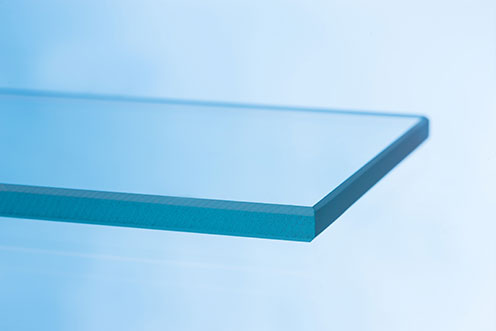
Our craftsmen will finish the edge of your product, this process is called faceting. This type of treatment is often used to decorate mirrors and glass. Bevelled edges at an angle of 0 to 45 degrees give the product a stylish and sophisticated twist. The facets shine like a jewel, creating a beautiful play of light.
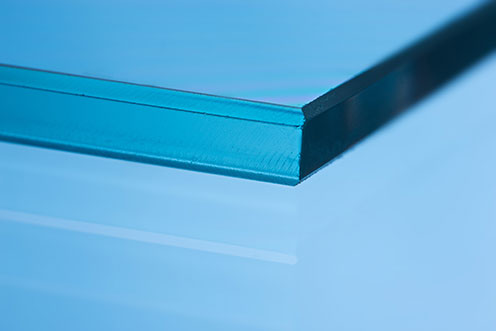
The types of faceting:
- .
- One-sided facet (side facet bevelled on one side)
- Bilateral facet (treatment of the glass surface on both sides)
- Double facet (consists of two strips: wide and narrower) .
- Curvilinear facet (for processing products in the shape of an oval, circle, wave, etc.) .
- Straight-line facet (for workpieces without rounded corners: square, rhombus, rectangle, etc.) .
Applications:
- Mirrors .
- Stained glass windows
- Mirror mosaics
- Facades of furniture
- Glass doors
- Glass souvenirs
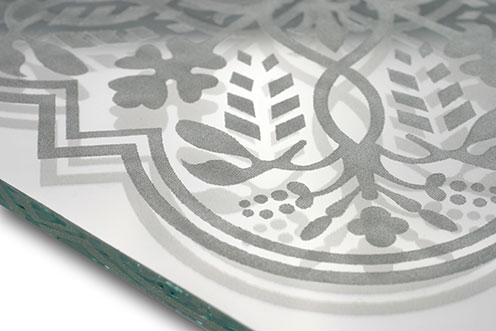
There are different types of engraving, but each of them gives the product a unique beauty, charm and sophistication. Our professional equipment, tools and expert craftsmanship combine to create a wide variety of glass and mirror interior artworks.
- Diamond engraving takes place in two stages. First, the surface of the mirror or glass is milled, then the surface is polished and the corners are smoothed. Thus the effect of a three-dimensional image is achieved, a beautiful pattern smooth on the surface creates an optical illusion.
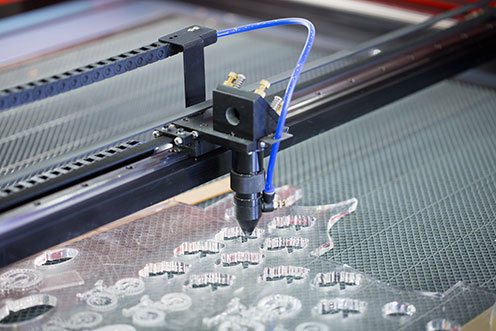
- Laser engraving technology. This process is performed on specialised equipment, such as a CNC machine for processing glass and mirrors. Laser beams burn out the surface layer, forming grooves. The resulting grooves form the image.
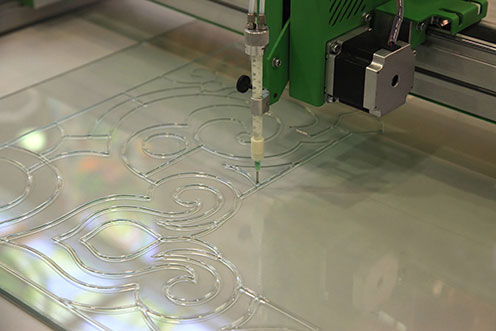
CNC machines can do two ways of machining:
- from the back side (they apply the image on the back side, the top layer of coating under the action of rays is removed. The drawing becomes transparent, so masters use tints as an artistic refinement).
- from the front side (in this case, the picture will turn out a matte shade and there will be accents and halftones in the image) .
- engraving inside the glass (the pattern will become more
Technology of sandblasting of glass (a special film is applied to the glass, the pattern is cut out, and on the film-free glass under the influence of compressed air beats the pressure with a mixture of sand. The particles hit the surface of the glass, damaging the surface and forming a matt surface).
Application areas:
- Interior doors, window constructions.
- Glass surfaces for tables.
- Shower cubicles.
- Stair railings, steps.
- Mirrors
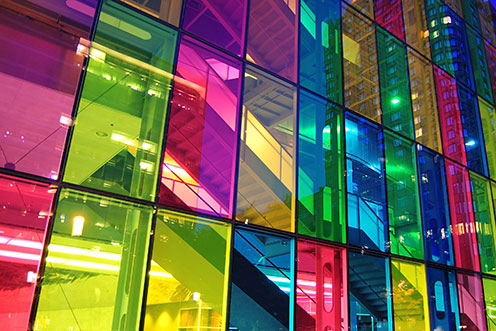
This type of treatment is more often used in home and office interiors. For example, in furniture details, counters, tables, interior doors, glass cabinets and partitions. They decorate bathroom mirrors, change the design of kitchen interiors
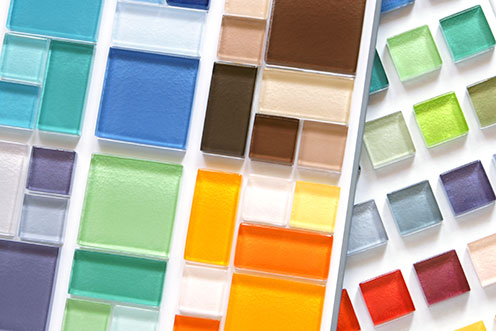
You can choose the colour from our RAL catalogue. Our professionals will paint the glass taking into account all your wishes, and the product itself will not lose its durability, the quality of the paint can withstand temperature and sun exposure.
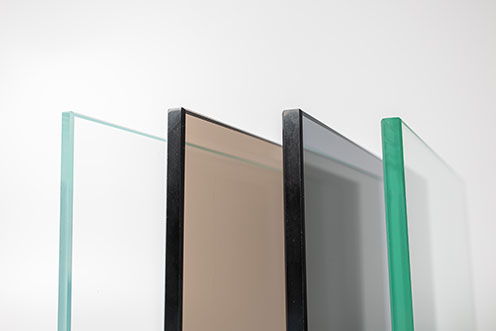
Our craftsmen will polish the surface of the finished work, give aesthetics and shine to the material. In addition, the product will receive additional protection from surface scratches and protect it from cuts in the future. We will create additional durability and reliability.
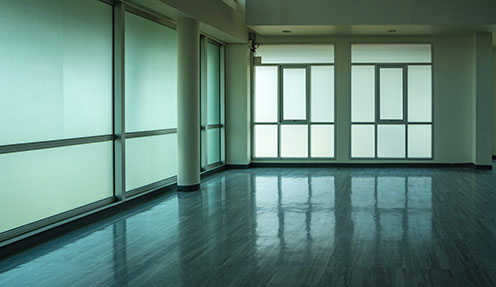
If your product requires tempering, polishing is necessary to make the glass safe. Only after polishing can the next treatment be used to smooth out micro-cracks and prevent the product from splintering.
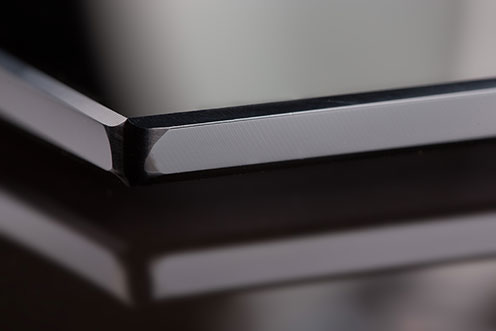
After cutting, uneven and sharp edges are left behind. Grinding the glass gives the desired shape, the surface becomes smoky and matt, all irregularities are removed. This stage is necessary for further safe operation of almost all types of products. Our quality equipment is able to grind the edges of the sheet without significant changes.
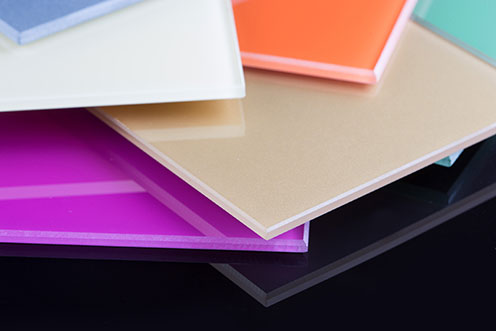
The types of grinding:
- .
- "Pencil" (PE) - rounded shape, used in mirrors and as decorative furniture glass. For glass 4-19 mm.
- Trapezium (FA) - flat edge with cut corners for glass 4-45 mm.
- Cascade (two-stage rounded edge. For glass 12-19 mm. Suitable for decorating table tops, shelves and other furniture).
This is a process whereby our craftsmen add metal oxides to the glass mass. After that, the glass unit lets sunlight through, avoiding excessive ultraviolet rays. In this way, we maximise service life, eliminating the risk of defective materials.
The most common tinting colours:
- bronze;
- graphite;
- dark grey;
Tinting types:
- .
- Pyrolysis tinting. Metal oxides are applied to heated glass, forming a layer that provides a durable coating. The product is able to withstand various mechanical effects and reflect the heat flow of solar energy. .
- Vacuum tinting. The polished surface is placed in a vacuum chamber. Inside, metal oxide coating takes place.
Benefits:
Toning reduces eye strain by softening street light, lowers indoor temperatures during hot seasons, and increases the longevity of the product.
Application areas:
- Facade glazing .
- Glass panes .
- Fencing and partitions made of glass
- Glass doors
- Furniture made of glass
- Triplex
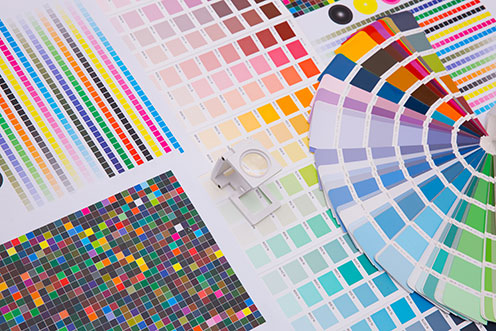
We will realise all kinds of printing on glass and mirror products. Our equipment and experience of masters will realise all your artistic and design ideas.
Stypes of printing:
Valve (machine) painting. Reduces production time, the equipment allows you to work with a large volume of orders, the colouring evenly covers the plates, capturing the entire surface of the glass. The different hardness of the rubber lining of the roller and the special specificity of the mechanism allow full control of the amount of paint applied to the surface and adjust the degree of its transparency.
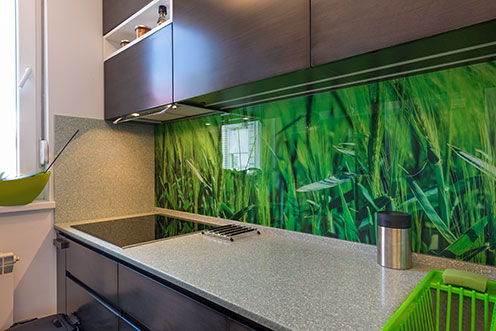
Mesh painting (silkscreen). Only for mass production, as the individual frame is purchased. This method of painting is used if the aim is to colour the glass not completely or if a repeating pattern is required. A silk screen is inserted into the frame. It prevents the paint from getting where it should not be, only on the specified areas. It is reasonable for large quantities of 100 pieces and more, because in this case the cost of the frame itself pays off, and the cost of production is reduced.
Application:
- Glazing for windows .
- Facade glazing
- Facing of loggias, balconies
- Windows
- Interior glazing
- Partitions
- Shower cabins
- Glass furniture
- Glazing of lifts, escalators
- Fencing of stairs
- Transport glazing
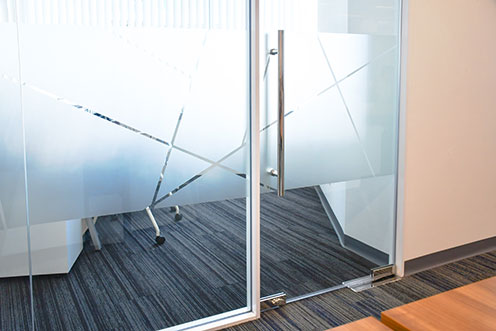
The fine-tuned mechanics of our production, many years of experience with this treatment increases the quality of the process. The technology is similar to sandblasting, with only one difference - matting makes not only the pattern on the product, but also the background of the surface. This design tool allows you to get a matt relief pattern due to different depths of depressions. A vivid impression of such a process can be seen when backlighting is installed.
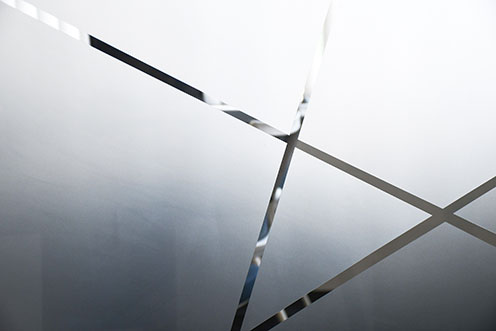
Application options:
- .
- Transparent glass with frosted pattern
- Frosted glass with transparent pattern
- Matte pattern on frosted glass
- Tinted glass with frosted pattern
- Paint on glass on both sides
- Drawings on mirror
Applications:
- Glass partitions .
- Glass doors
- Fencing and staircases
- Top tops and other glass furniture
- Mirrors
- Stained glass
- Giftware made of glass
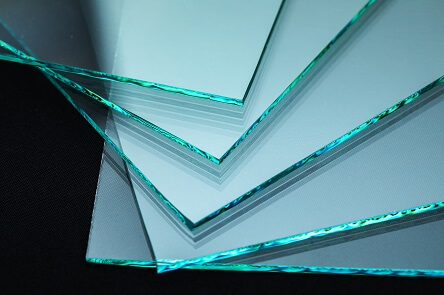
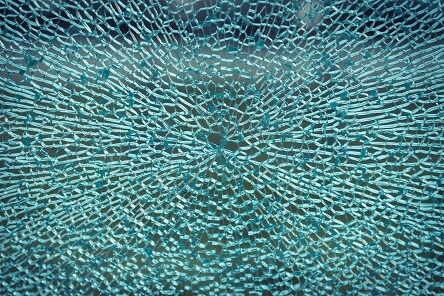
We harden glass so that a fragile product becomes several times stronger, thus extending its durability. Our glass is not easy to break and is more resistant to vibrations.
When glass is processed in this way, the product does not lose its transparency, size and optics, frosted and tinted glass can be used.
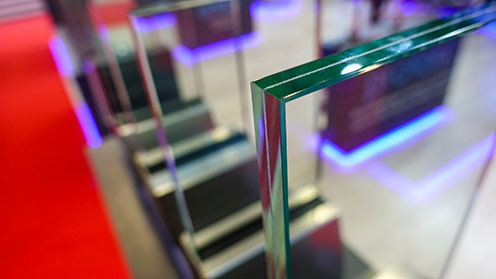
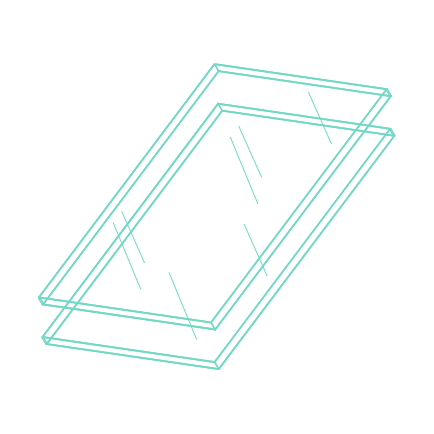
A particularly durable product consisting of three or more panes of glass connected to each other by a polymer film which, when exposed to ultraviolet rays, heats up and glues the plates together. In the event of a strong impact, the bonding prevents the glass from shattering.
Our craftsmen not only produce triplex, but also perform the hardening treatment of this product.
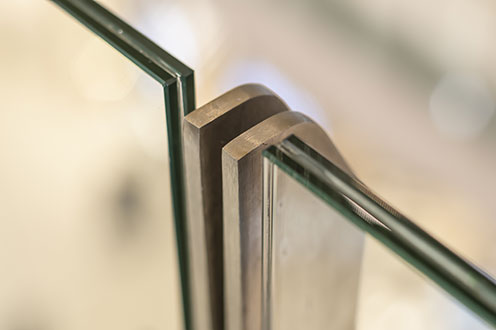
But in addition to durability, it has other positive qualities:
- excellent protection against ultraviolet radiation
- has high sound insulation
- protects against temperature fluctuations, keeps the heat in the room
- product in a strong impact does not fly into sharp fragments, which reduces the likelihood of injury or deep cuts.
Triplex glass covers a wide range of uses - from glazing of flats and dacha plots to car armouring, equipping of savings banks with protective glass, shop windows, glass canopies and much more. Thanks to new technologies and special equipment, it is possible to combine other types of treatments. For example, polishing, trimming, shape cutting and more. This kind of glass can be of different colours, which greatly expands the design possibilities.
Application:
- machinery .
- construction
- architecture
- furniture
- purpose glass and frame partitions
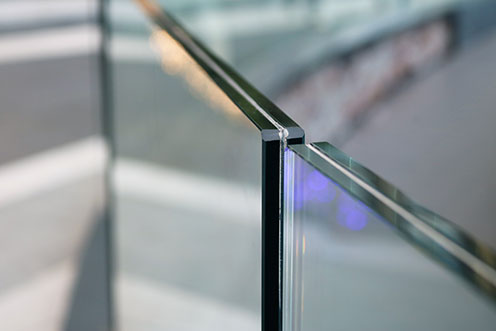
Our specialists will manufacture quality triplex glass for you and carry out the tempering process. Or they will process the finished product. We will increase the strength, reliability and durability of your glass.
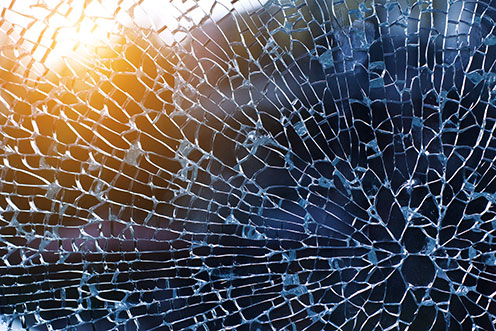
Application:
- glass canopies;
- glass staircases and steps;
- triplex glass floors;
- balconies and stair partitions;
- production of double-glazed windows.
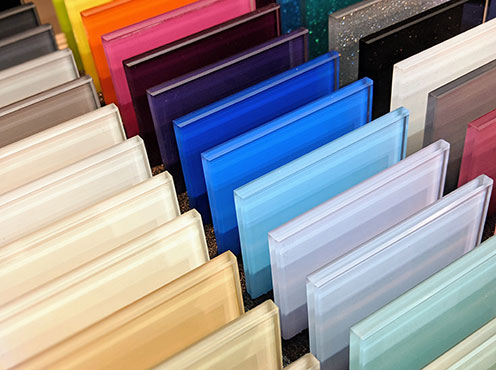
Stemalite or enamelite is a finished product that has undergone certain stages of processing. In the first stage, we cut the glass to the specified parameters, then cut the edges and, if necessary, drill holes. Then Steklogress craftsmen use high quality equipment to coat one side of the product with enamel of the required colour and place it in the furnace for tempering, the material becomes very strong and cannot be changed further.
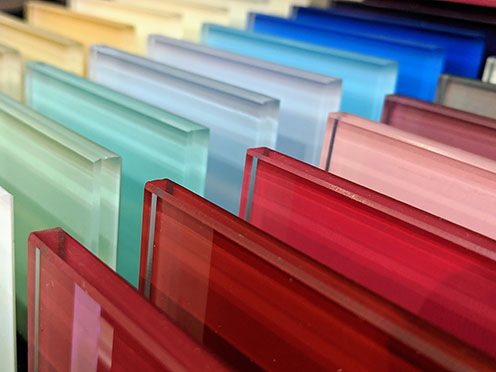
This kind of processing gives you many design solutions, as the colour palette is varied. We make products that are not only bright, modern and individual, but also durable and long-lasting.
Application areas:
- Floor areas in façade glazing .
- Facing of loggias, balconies
- Wall cladding
- Glass partitions
- Furniture
- Glass floors (as part of triplex)
- Glass staircases (as part of triplex)
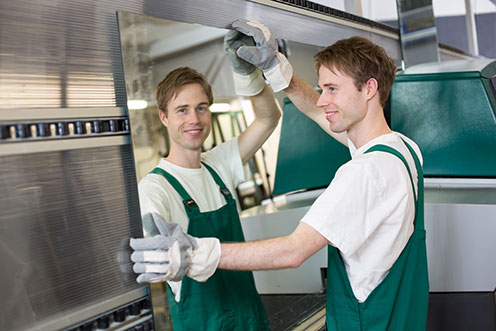
We produce mirrors of the highest quality. The leading specialists of the company perform trimming, shaped cutting, grinding, polishing, faceting of mirrors, turning the final product into a real work of art.
Application areas:
- mirrored ceilings
- mirror panels
- decorative mirrors and more.
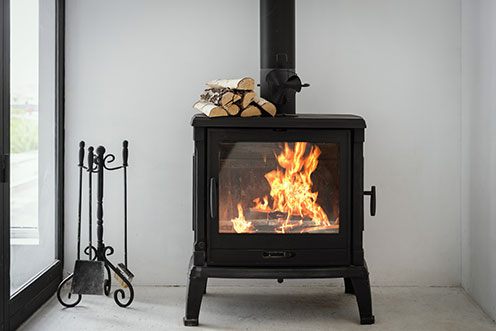
Glass products are strong and robust, but they will not withstand sudden temperature changes. For this reason, we produce two types of fire-resistant glass:
Monolithic is a single-layer, specially tempered glass that will withstand high temperatures. It corresponds to fire resistance classes from E15 to E60 (as part of a double-glazed unit). It does not cloud or expand in a fire and retains its integrity for the time specified in the formula (in minutes).
Multi-layer - multi-layer transparent glass, the inner layers of which expand under the influence of high temperature. In the event of a fire, the glass becomes a solid opaque structure. This prevents smoke and flames and excessive heat from entering the insulated room.
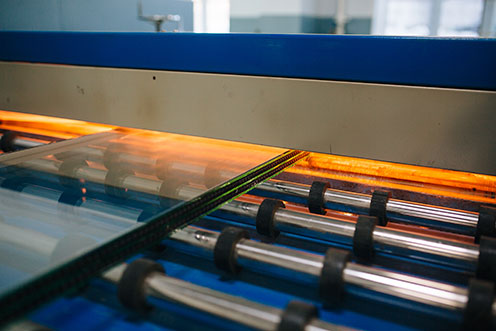
Our specialists manufacture products in three classes of fire resistance:
.Class E - glass remains intact, hot gas, smoke and flames do not enter the room except for the heat itself. Prevents cracks and holes, but the protection is temporary.
EW class - construction withstands part of the heat, remains secure, keeps smoke and fire out.
EW class - construction withstands part of the heat, remains secure, keeps smoke and flames out.EI class - no hot gas, smoke, fire, heat enters the protected space, retains protective properties. The temperature of the glass on the side opposite to the fire is no more than 140°C (average) or 180°C (at one measuring point) higher than the temperature of the glass in normal conditions.
The fire resistance of each product is defined by numbers that correspond to the time of retention of room safety, not less than 15 - 30 - 45 - 60 - 90 - 120 - 180 min
.Security, minimising damage is the main task of this material. It is used in all administrative offices, shops, shopping centres, airports, restaurants and hotels.
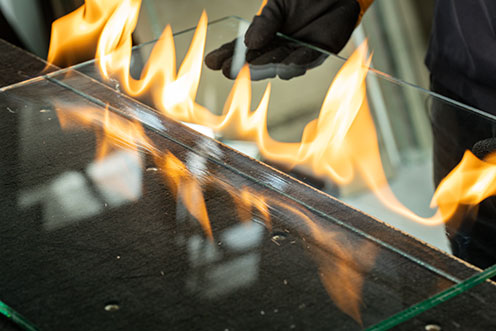
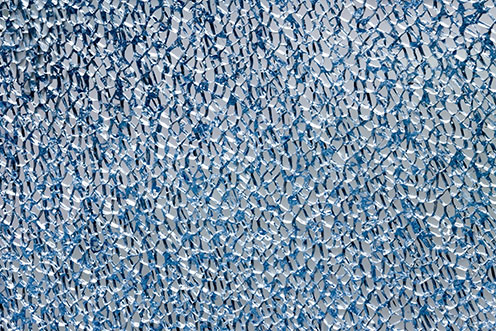
If you need heat-strengthened glass, our masters will process the material by hardening (the furnace is heated to 600-800°C and then cooled sharply). As a result, the product will acquire increased mechanical and thermal resistance. In case of damage (breaking), the glass breaks into small shards with blunt edges, which reduces the risk of injury.
Thermally strengthened glasses are used:
- in insulating glass units and triplexes
- in single glazing (windows, shower cubicles, etc.)
- in facade and architectural glazing
Application areas:
- Included in insulating glass units .
- Full glazing
- Glazing in areas with high wind loads
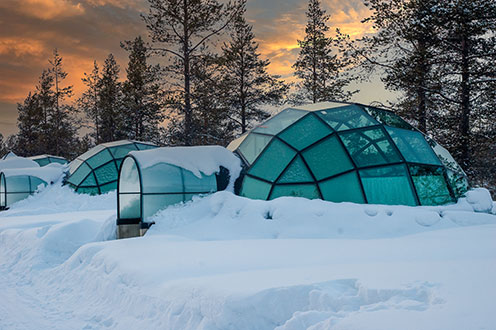
Electrically heated windows are a new invention for comfortable living in the cold season. The unique characteristics allow the entire room to be heated and filled with light. And high durability allows you to use the products as long as possible without worrying about deterioration of quality. We will make for you glass that will easily withstand temperatures from -50 to + 100 and any external and weather effects.
Application areas:
- .
- Places with high humidity and condensation levels;
- Summer verandas, pergolas, winter gardens and greenhouses;
- Balconies and loggias;
- Glass roofs;
- Mansard windows;
- Glass canopies and much more.
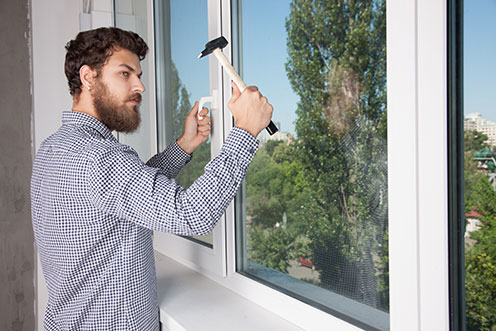
Security film is a practical analogue to armoured glass. It also protects against impacts, break-ins, damage and vandalism. Thanks to a variety of film thicknesses (from 112 to 400 microns), you can control its protective functions. Most protective films are transparent, although there are several types of tinted heat reflective films. Reinforcing with film not only enhances durability, but also increases the life expectancy of any glass product.
Application:
- .
- Machine windows .
- Windows, loggias, balconies
- Trade, administrative and office premises